
A/B Testing Amazon Listings: The Complete Guide to Split Testing
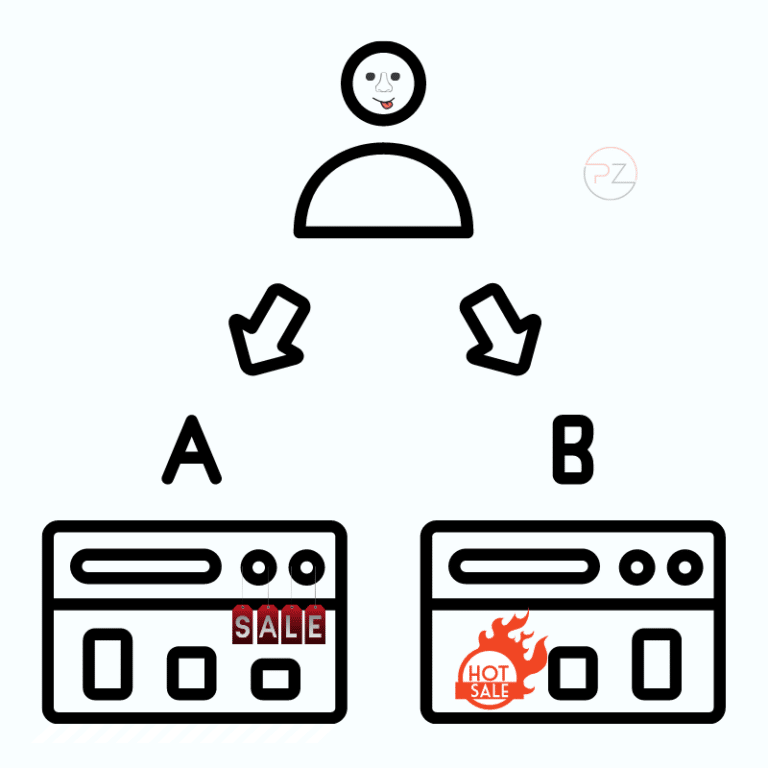
Every change you make to an Amazon listing is a hypothesis. A/B testing is how you prove whether that hypothesis is right or wrong — with data, not guesswork. At Prolific Zone, every single listing change we implement gets tested. This is how we consistently improve conversion rates across our 30+ managed accounts.
Unfortunately, there are no true third-party A/B testing tools for Amazon, since you cannot have duplicate listings running simultaneously. True A/B tests require simultaneous exposure — so times and dates don't affect results. What some Amazon seller tools like Sellzone offer instead are before-and-after tests: measure performance for a set period with Version A, then switch to Version B and compare the conversion rate, click-through rate, and sales velocity.
Why A/B Testing Your Amazon Listings Is Non-Negotiable
One cannot simply update a title or product description and expect to see an increase in sales. Everything has to be measured, analyzed, and researched so you have accurate statistical data. That data then improves your listing's conversion rate, which then improves your organic ranking on Amazon's A10 algorithm. The compound effect is significant over time.
According to Amazon's own research, listings with optimized content see measurably higher conversion rates. Every percentage point of improvement in conversion rate compounds into meaningful additional revenue at scale.
Don't assume — test. A title change that seems obviously better based on intuition will often lose to the incumbent in a real test. The Amazon customer is the only judge that matters, and they vote with their clicks and purchases.
What to A/B Test on Your Amazon Listing
1. Title
The title is the first thing a shopper sees before opening your listing — it directly impacts both click-through rate and keyword indexing. Test variations that lead with different keyword combinations, different benefit framings, or different attribute orderings.
- Version A: Cotton Half Sleeve Oversized Cow & Zebra Printed T-Shirt for Women
- Version B: Women's Oversized Graphic Tee — Soft Cotton, Relaxed Fit
Run each version for at least 2 weeks to normalize for day-of-week traffic variations. Compare click-through rate and conversion rate, not just impressions.
2. Main Image
Your main image is arguably the most important conversion element on Amazon. It determines whether a shopper clicks on your listing from search results. Test: white background vs. lifestyle, product orientation, zoom level, and what's shown prominently in frame.
3. Bullet Points
Test whether benefit-led bullets outperform feature-led bullets. Test different orderings of your five bullets — the first bullet gets the most attention, so lead with your strongest point. Test whether specific metric data (runtime, weight, dimensions) improves or hurts conversion for your category.
4. Price
Price testing is one of the most impactful but often overlooked A/B tests. The relationship between price and conversion is not always intuitive — sometimes a slightly higher price increases conversion by signaling quality. Always test price changes in the context of your category's competitive range.
5. A+ Content
If you're brand registered, test different A+ Content layouts. Test: comparison charts vs. narrative layouts, video vs. static images, feature-focused vs. lifestyle-focused modules. Remember that what works for one product category may not work for another.
6. Product Description
While less impactful than bullets for most listings, the description holds significant power for mobile users where it appears prominently. Utilize the full 2,000-character limit. Test storytelling vs. feature lists, short paragraphs vs. long paragraphs, and different calls to action.
How to Run a Before/After Test on Amazon
- Establish a baseline: Record your current conversion rate, click-through rate, and unit session percentage for at least 2 weeks using Amazon Brand Analytics
- Make one change at a time: Never change multiple elements simultaneously — you won't know which change caused the result
- Run for minimum 2 weeks: Account for day-of-week traffic patterns and any short-term novelty effects
- Account for external variables: Note any PPC campaign changes, price changes, or promotions during the test that could affect results
- Measure the right metrics: Conversion rate (unit session percentage) is the primary metric. Also track CTR from search results if available via Brand Analytics
- Document everything: Keep a testing log with dates, changes made, and results — this builds a proprietary knowledge base over time
Amazon's Built-in Manage Your Experiments Tool
Brand-registered sellers have access to Amazon's own Manage Your Experiments (MYE) tool, which runs true simultaneous A/B tests on titles, main images, and A+ Content. This is the gold standard for Amazon listing testing — if you're Brand Registered and not using MYE, you're leaving optimization velocity on the table.
Keyword Strategy in Testing
When testing listing copy, incorporate relevant keywords strategically — this isn't about stuffing keywords, it's about aligning your description with the search intent of your potential customers. Use keyword research tools to uncover high-converting terms, and analyze competitors to identify differentiation opportunities. The best-performing tests often combine improved conversion language with improved keyword integration.
Want our team to run systematic A/B testing on your Amazon listings? Get a free audit from Prolific Zone — we manage ongoing testing programs for all of our account management clients as a core part of our service.
Ready to Put This Into Action?
Let our team apply these strategies to your Amazon or Walmart account.