 Skip to content

Why Amazon PPC Advertising is Different in 2026
If you are still running Amazon PPC campaigns like it’s 2024, you are already losing money.
The landscape of Amazon PPC advertising has shifted from a simple “bid and win” auction to a complex, AI-driven ecosystem.
In 2026, success isn’t just about finding the right keywords—it’s about mastering Amazon Marketing Cloud (AMC), leveraging Dayparting, and understanding the nuances of Placement Modifiers.
This guide is not just another overview. It is a strategic blueprint designed to help you dominate your category. We will move beyond the basics and dive deep into the tactics that actually drive profit, not just revenue. Whether you are a 7-figure seller or just launching your first product, this is the only resource you need to master Amazon advertising.
For a foundational understanding of how this fits into the broader ecosystem, read our guide on dominating Amazon ads in 2026.
Chapter 1: The Amazon PPC Advertising Flywheel Effect
Before we touch a single bid, you must understand the PPC Flywheel. Many sellers view advertising as a “tax” they have to pay. Top 1% sellers view it as fuel.
When you run a successful Amazon PPC advertising campaign, you aren’t just buying sales; you are buying data and organic ranking. Every sale you make via PPC signals to Amazon’s A10 algorithm that your product is relevant. This boosts your organic rank, which leads to more “free” organic sales. These organic sales then improve your conversion rate, which makes your PPC cheaper.
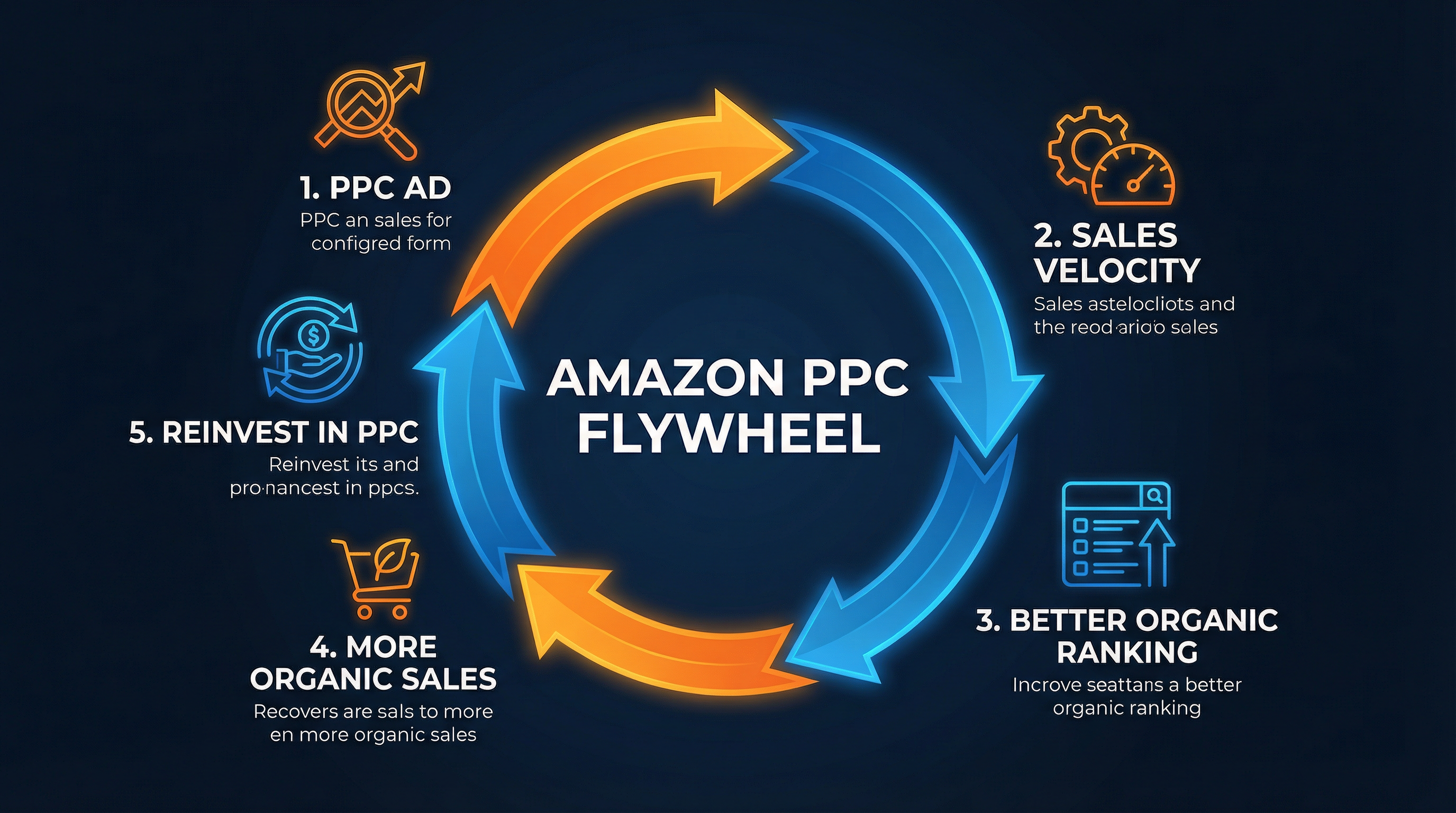
Figure 1: The Amazon PPC Flywheel – How paid ads drive organic growth.
The Cycle of Growth:
- Launch PPC Ads: You pay for visibility to get the initial traction.
- Increase Sales Velocity: Amazon sees your product moving and indexes it faster.
- Boost Organic Rank: Your product climbs the search results page (SERP) for your target keywords.
- Generate Organic Sales: Customers find you without you paying for the click.
- Reinvest Profit: You take the profit from organic sales and pour it back into PPC to target new keywords.
If your agency isn’t talking about this flywheel, they are just spending your money, not investing it.
Chapter 2: Mastering Campaign Structure for Scale
The biggest mistake we see in Amazon PPC advertising accounts is a messy structure. If you dump all your keywords into one “Catch-All” campaign, you have zero control. You cannot scale what you cannot measure.
In 2026, the “Gold Standard” structure is granular, hierarchical, and designed for Placement Control.
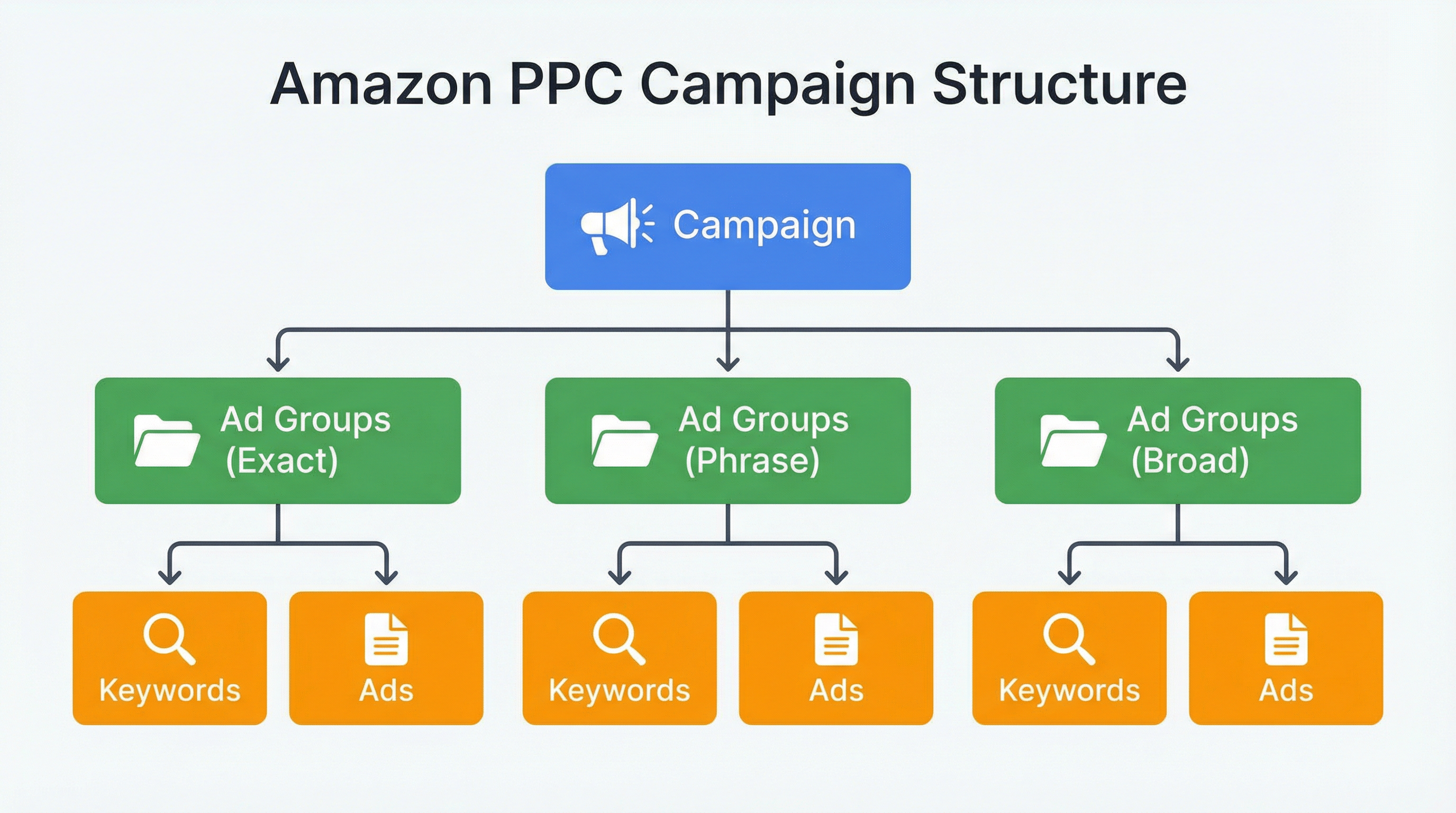
Figure 2: The Ideal Amazon PPC Campaign Hierarchy for 2026.
The 3-Tier Campaign Hierarchy
1. Discovery Campaigns (The Net)
These are your R&D lab. You use them to find new search terms that customers are using today.
- Auto Campaigns: Let Amazon’s AI find keywords for you.
- Broad Match: Target loose variations of your main keywords.
- Category Targeting: Show your ads on competitor product pages in your niche.
2. Performance Campaigns (The Filter)
Once a keyword generates a sale in a Discovery campaign, you “graduate” it here.
- Phrase Match: For keywords that convert but need some flexibility.
- Exact Match (Low Bid): For relevant keywords that are too expensive to bid aggressively on.
3. Dominance Campaigns (The Sniper)
This is where the profit happens. These campaigns target your “Super Relevance” keywords—the top 5-10 terms that describe your product perfectly.
- Single Keyword Campaigns (SKC): One campaign, one ad group, one keyword. This gives you 100% control over the budget and placement (Top of Search) for that specific term.
Chapter 3: Advanced Tactics for 2026 (What Competitors Miss)
Most guides stop at “Auto” and “Manual” campaigns. To win in 2026, you need to use the advanced levers that Amazon provides.
1. Dayparting (Hourly Bidding)
Your customers don’t shop at 3 AM, so why are you bidding the same amount then? Dayparting allows you to increase bids during peak conversion hours (e.g., 6 PM – 10 PM) and lower them when conversion rates drop.
- Strategy: Use Amazon Marketing Stream data to identify your “Golden Hours” and adjust bids by +20% during those times.
2. Placement Modifiers
Not all clicks are equal. A click at the Top of Search (TOS) often converts 2x-3x higher than a click on a product page.
- The Tactic: Instead of bidding $2.00 for a keyword, bid $1.00 and set a +100% Top of Search Modifier.
- The Result: You only pay the premium price ($2.00) when you actually get the premium spot. If you appear elsewhere, you pay the cheaper price ($1.00).
3. Amazon Marketing Cloud (AMC) Audiences
This is the frontier of Amazon PPC advertising. AMC allows you to build custom audiences based on actual shopping behavior.
- “Cart Abandoners”: Target people who added your product to their cart but didn’t buy.
- “Cross-Sell”: Target people who bought your shampoo but not your conditioner.
- “High Value”: Target customers who have spent over $100 in your category in the last 30 days.
Chapter 4: ACOS vs. TACOS – The Real Metrics of Success
Stop obsessing over ACOS (Advertising Cost of Sales). In 2026, TACOS (Total Advertising Cost of Sales) is the only metric that matters for long-term brand health.
- ACOS = Ad Spend / Ad Sales
- Good for: Measuring the efficiency of a specific campaign.
- TACOS = Ad Spend / Total Sales (Organic + Ad)
- Good for: Measuring the health of your entire business.
The TACOS Trap:
If your ACOS is low (10%) but your sales are flat, you are failing. You are likely under-spending and missing out on the Flywheel Effect.
The Growth Sweet Spot:
We typically recommend a TACOS of 10-15% for mature brands. This means you are reinvesting enough to maintain rank, but keeping enough profit to grow.
Conclusion: Execution is Everything
The strategies in this guide—Dayparting, AMC, Single Keyword Campaigns—are powerful, but they require relentless execution. Amazon PPC advertising is not a “set it and forget it” channel. It is a live auction that changes every second.
You have two choices:
- Build an In-House Team: Hire a dedicated PPC manager, buy the expensive software tools, and spend months training them. (Read our Agency vs. In-House Cost Analysis to see the numbers).
- Partner with Experts: Work with a team that already has the data, the tools, and the strategy to scale your brand from Day 1.
At Prolific Zone, we don’t just manage bids; we manage growth. If you are ready to stop guessing and start dominating, let’s talk.
Frequently Asked Questions (FAQ)
Q: What is a good ACOS for Amazon PPC in 2026?
A: A “good” ACOS depends on your goal. For a product launch, a break-even ACOS (equal to your profit margin) is acceptable. For a mature product, aim for 20-30%. However, always prioritize TACOS (Total Advertising Cost of Sales) over ACOS.
Q: How much budget do I need to start Amazon PPC?
A: We recommend starting with at least $50-$100 per day per product. This ensures you get enough data (clicks and conversions) to make statistically significant optimization decisions within the first two weeks.
Q: Can I run Amazon PPC without Brand Registry?
A: Yes, you can run Sponsored Products. However, to unlock Sponsored Brands, Sponsored Display, and Video Ads—which are crucial for 2026 strategies—you must have Amazon Brand Registry.
Q: What is the difference between Broad and Phrase match?
A: Phrase Match requires the customer to type your exact keyword phrase in that order (e.g., “blue running shoes” matches “men’s blue running shoes”). Broad Match allows the words to be in any order and includes synonyms (e.g., “blue running shoes” might match “shoes for running blue”).